

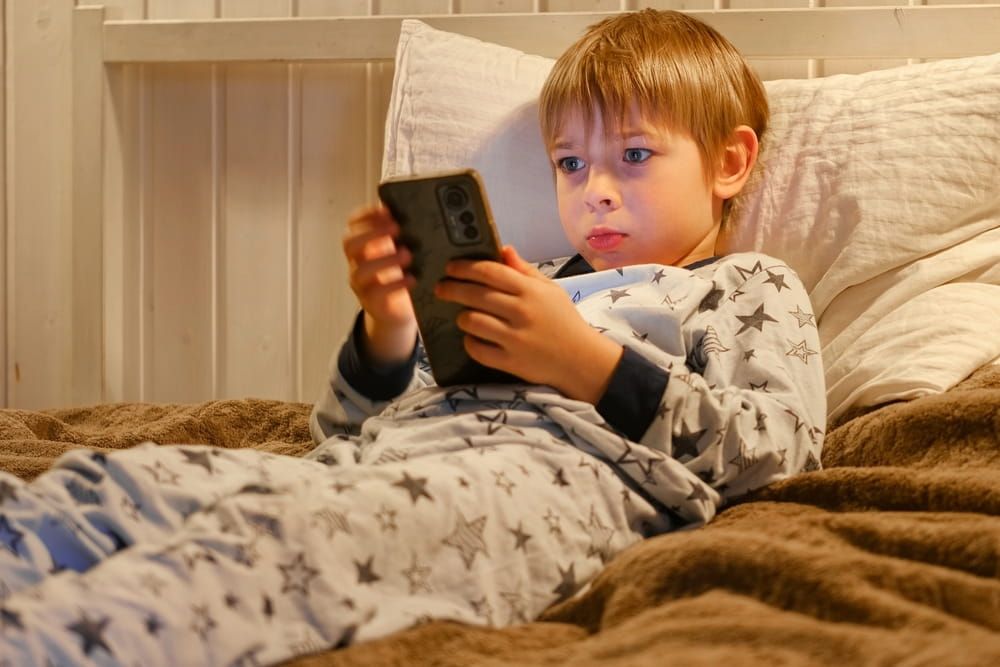
Sleep is essential for healthy childhood development. During sleep, the brain processes information, regulates emotions, restores energy, and supports learning and memory. When children do not get enough quality sleep, behavioral and emotional changes may become noticeable both at home and in school settings. At CPST Texas, led by Dr. Michelle Rinella, families throughout Plano, Southlake, Rockwall, Prosper, Fort Worth, Duncanville, Houston, and Gun Barrel City often seek educational information about how sleep habits may influence childhood behavior and development.
Children’s brains and bodies are constantly growing, making sleep especially important during the early years and throughout adolescence. Even mild sleep disruption can affect mood, attention span, frustration tolerance, and decision-making abilities. While adults who are tired often appear sluggish or withdrawn, children frequently respond to sleep deprivation with increased emotional reactions, impulsivity, or hyperactivity.
Because behavioral symptoms linked to poor sleep may resemble other developmental or behavioral concerns, sleep difficulties are sometimes overlooked as a contributing factor. Understanding the connection between sleep and behavior may help families recognize patterns that affect a child’s emotional wellbeing and daily functioning.
Common Signs That Sleep May Be Affecting Behavior
Children who consistently experience poor sleep may show behavioral changes that interfere with school performance, social interactions, and family routines. These symptoms may develop gradually, making it difficult for caregivers to immediately recognize that sleep problems are contributing to behavioral concerns.
Some common behavioral signs associated with poor sleep include:
- Irritability or frequent mood changes
- Difficulty focusing or paying attention
- Increased impulsive behavior
- Emotional outbursts or frustration
- Hyperactivity or restlessness
- Trouble following directions
- Difficulty waking up in the morning
- Reduced motivation or energy
- Increased anxiety or emotional sensitivity
Sleep deprivation can affect children differently depending on their age, temperament, and developmental stage. Younger children may become more emotionally reactive, while older children and teenagers may struggle with concentration, motivation, and emotional regulation throughout the day.
In some cases, ongoing behavioral concerns may overlap with attention or developmental challenges. Educational resources such as Attention Deficit Evaluations and Comprehensive Psychological Evaluations may help families better understand contributing factors affecting a child’s functioning and behavior.
How Sleep Affects Emotional Regulation and Attention
Sleep has a direct impact on the brain’s ability to regulate emotions and maintain attention. When children are sleep deprived, the brain may have greater difficulty managing stress responses and controlling impulses. This can make small frustrations feel much more overwhelming than they normally would.
Emotional regulation skills are still developing throughout childhood, which means tired children may have less ability to calm themselves after becoming upset. Situations that might otherwise feel manageable may quickly escalate into tears, anger, or emotional shutdown when a child is overtired. Sleep deprivation may also reduce a child’s patience and flexibility during social interactions, contributing to conflict with siblings, classmates, or peers.
Attention and concentration are also heavily influenced by sleep quality. Tired children often struggle to process instructions, complete assignments, or stay focused during structured tasks. In some situations, poor sleep may contribute to behaviors that resemble symptoms commonly associated with ADHD, including restlessness, forgetfulness, distractibility, and impulsivity.
Common Causes of Sleep Difficulties in Children
Many factors can contribute to childhood sleep problems. Inconsistent bedtime routines, excessive screen time before bed, anxiety, stress, irregular schedules, and environmental disruptions may all interfere with healthy sleep patterns. Some children may also struggle with bedtime resistance or nighttime fears that make it difficult to fall asleep consistently.
Teenagers often experience additional sleep challenges due to natural biological changes in their sleep cycles. Adolescents tend to feel more alert later at night, which can make early school schedules particularly difficult. Academic pressure, extracurricular activities, social media use, and increased independence may further contribute to sleep disruption during the teen years.
Certain developmental or behavioral conditions may also affect sleep quality. Children experiencing anxiety, sensory sensitivities, emotional stress, or attention-related concerns sometimes have more difficulty establishing consistent sleep habits. Identifying contributing factors may help families better support healthy routines and emotional regulation.
Supporting Healthy Sleep Habits for Better Behavior
Healthy sleep habits can positively influence emotional wellbeing, attention, learning, and overall behavior. Consistent routines often help children feel more secure while supporting healthier sleep patterns. Predictable bedtime schedules, calming evening activities, and reduced screen exposure before bed may help improve sleep quality over time.
Sleep needs vary depending on age, but most children benefit from consistent schedules throughout the week, including weekends whenever possible. Creating a calm sleep environment and encouraging physical activity during the day may also support healthier nighttime rest. Caregivers who notice ongoing sleep-related behavioral difficulties may benefit from tracking patterns related to mood, attention, and bedtime routines.
Understanding the connection between sleep and behavior may help families respond to challenges with greater patience and awareness. Many behavioral concerns become more manageable when children are consistently well rested and emotionally regulated.
CPST Texas, led by Dr. Michelle Rinella, continues providing educational resources for families throughout Plano, Southlake, Rockwall, Prosper, Fort Worth, Duncanville, Houston, and Gun Barrel City who want to better understand how sleep patterns may affect childhood behavior, emotional health, and development.
Resources
Owens, J. (2014). Insufficient Sleep in Adolescents and Young Adults: An Update on Causes and Consequences. Pediatrics.
Dahl, R. E. (1996). The Regulation of Sleep and Arousal: Development and Psychopathology. Development and Psychopathology.
Beebe, D. W. (2011). Cognitive, Behavioral, and Functional Consequences of Inadequate Sleep in Children and Adolescents. Pediatric Clinics of North America.