

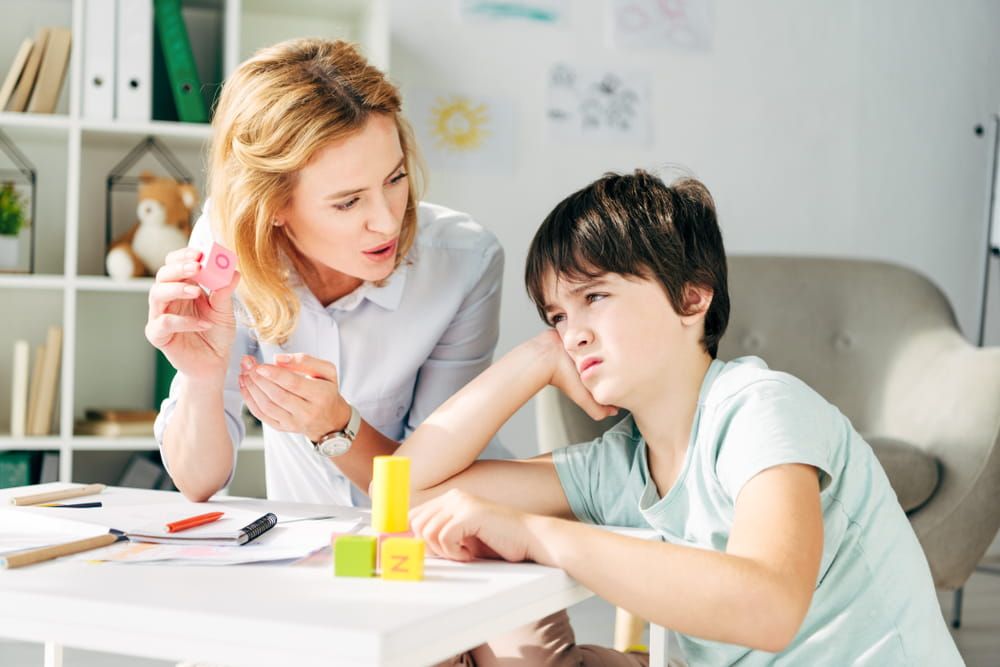
Emotional awareness is the ability to recognize, understand, and express emotions in healthy ways. During childhood, these skills play an important role in social development, communication, behavior, and overall emotional wellbeing. At CPST Texas, led by Dr. Michelle Rinella, many families seek information about emotional development when children struggle with frustration, emotional outbursts, communication difficulties, or social interactions.
Children are not born with a complete understanding of emotions. Emotional awareness develops gradually through relationships, experiences, guidance, and observation. Young children often feel emotions very strongly before they fully understand what those emotions mean or how to manage them appropriately. Learning to identify feelings such as sadness, anger, excitement, disappointment, embarrassment, or anxiety helps children build the foundation for emotional regulation and healthy communication.
As children grow, emotional awareness helps them better understand both their own feelings and the feelings of others. These skills influence how children respond to challenges, handle stress, build friendships, and solve problems. Emotional development is closely connected to cognitive, social, and behavioral growth throughout childhood.
How Emotional Awareness Affects Behavior
Children who struggle to identify or express emotions may communicate distress through behavior instead of words. Emotional overwhelm can sometimes appear as tantrums, irritability, withdrawal, aggression, impulsive behavior, or difficulty following directions. In many cases, children are not intentionally “misbehaving” but may lack the emotional vocabulary or coping skills needed to explain what they are experiencing internally.
Emotional awareness allows children to pause and recognize what they are feeling before reacting automatically. For example, a child who understands they are frustrated may be more likely to ask for help rather than shutting down emotionally or acting out physically. Over time, these skills support better emotional regulation and problem-solving abilities.
Children who have difficulty with attention, executive functioning, anxiety, or developmental differences may find emotional regulation especially challenging. Some families explore Comprehensive Psychological Evaluations or Attention Deficit Evaluations when emotional responses consistently interfere with school performance, family routines, or peer relationships.
Signs a Child May Be Struggling With Emotional Awareness
Children express emotions differently depending on age, personality, developmental stage, and environment. Some children openly discuss feelings, while others may have difficulty understanding or communicating emotional experiences.
Common signs a child may be struggling with emotional awareness include:
- Frequent emotional outbursts or meltdowns
- Difficulty calming down after becoming upset
- Trouble identifying or naming emotions
- Physical complaints during emotional stress
- Withdrawal from social situations
- Increased irritability or frustration
- Difficulty expressing needs appropriately
- Trouble understanding how others feel
- Emotional reactions that seem larger than expected
- Avoidance of conversations about feelings
These patterns do not necessarily indicate a mental health condition, but they may suggest a child needs additional support developing emotional understanding and coping skills.
The Connection Between Emotional Awareness and Social Development
Emotional awareness plays a major role in how children interact with others. Children who understand emotions are often better able to communicate needs, interpret social situations, and respond appropriately during conflict or disappointment.
Friendships and peer relationships require children to recognize social cues, understand different perspectives, and manage emotional reactions. A child who struggles with emotional awareness may have difficulty navigating disagreements, handling criticism, or recognizing how their behavior affects others. These challenges can sometimes contribute to social frustration or isolation.
Emotional awareness also supports empathy. As children become more capable of understanding their own emotions, they often become more aware of emotions experienced by family members, classmates, and friends. This understanding strengthens communication skills and supports healthier social interactions over time.
How Adults Can Support Emotional Awareness in Children
Children learn emotional skills through consistent support, modeling, and everyday experiences. Parents, caregivers, teachers, and trusted adults all play an important role in helping children build emotional vocabulary and coping strategies.
One helpful approach is naming emotions during everyday situations. For example, adults might say, “It seems like you’re feeling frustrated,” or “You look disappointed that plans changed.” This helps children connect feelings with language and begin recognizing emotional patterns in themselves.
Creating safe opportunities for children to express emotions without immediate judgment or punishment may also encourage emotional growth. Children often benefit when adults respond calmly and help them work through feelings rather than dismissing or minimizing emotional experiences. Teaching coping strategies such as deep breathing, taking breaks, or problem-solving may further strengthen emotional regulation over time.
It is important to remember that emotional development is gradual. Children continue building emotional awareness throughout childhood and adolescence as their brains and social understanding mature.
Supporting Healthy Emotional Growth Over Time
Emotional awareness is an essential part of childhood development that affects behavior, relationships, learning, and mental wellbeing. Helping children understand emotions may improve communication, strengthen coping skills, and support healthier responses to stress and frustration.
At CPST Texas, led by Dr. Michelle Rinella, families in Plano, Southlake, Rockwall, Prosper, Fort Worth, Duncanville, Houston, and Gun Barrel City often seek educational information about emotional development and behavioral concerns in children. Understanding the importance of emotional awareness may help parents better support children as they learn to navigate emotions, relationships, and everyday challenges.
Resources
Denham, S. A. (2006). Social-Emotional Competence as Support for School Readiness: What Is It and How Do We Assess It? Early Education and Development.
Siegel, D. J., & Bryson, T. P. (2011). The Whole-Brain Child. Delacorte Press.
Center on the Developing Child at Harvard University. (2020). Emotional Development in Early Childhood. Harvard University.