

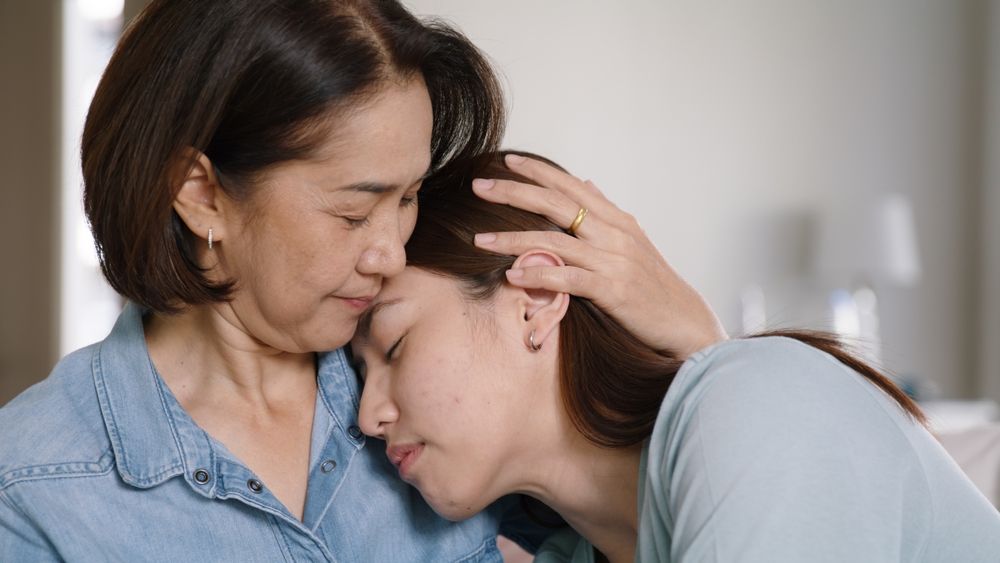
Pain is a deeply personal experience and for many, it’s also difficult to explain. Whether someone is struggling with physical pain, emotional distress, or a complex combination of both, pain evaluations can provide crucial insight into what’s going on and how best to support healing. At CPST Texas, our psychological pain evaluations help children, teens, and adults get the comprehensive understanding they need to move forward with clarity and confidence.
What Is a Psychological Pain Evaluation?
A psychological pain evaluation is a specialized assessment that helps uncover how mental, emotional, and behavioral factors may be affecting a person’s experience of pain. Pain is not just a physical sensation: it’s shaped by stress, anxiety, past trauma, mood, cognitive functioning, and more. When someone is living with chronic or unexplained pain, or preparing for pain management procedures, these evaluations help form a fuller picture.
At CPST Texas, our evaluations are tailored to each individual’s age, background, and concerns. For children and adolescents, we focus on age-appropriate ways to communicate and measure their experiences. For adults, we evaluate psychological readiness for certain treatments and explore any mental health conditions that may be contributing to or impacted by their pain.
Why These Evaluations Matter
When a person is in pain, the goal is to relieve it as safely and effectively as possible. But without a deeper understanding of what may be influencing the pain experience, treatment plans can fall short or even make things more difficult. A psychological pain evaluation bridges that gap by providing a thorough analysis of the mind-body connection.
These evaluations:
- Support accurate diagnoses: Psychological symptoms may mimic or amplify physical pain, and vice versa. Evaluations help differentiate between conditions and identify co-occurring issues such as anxiety or depression.
- Guide treatment planning: By understanding the emotional and psychological components of pain, providers can choose therapies that are more likely to work, such as counseling, physical therapy, or medication.
- Ensure procedural readiness: For those undergoing certain surgeries or pain interventions, a psychological evaluation may be required to ensure emotional preparedness and set realistic expectations for outcomes.
- Promote long-term wellness: Addressing the mental health side of pain helps people build resilience, reduce emotional distress, and feel more in control of their recovery.
Children, Teens, and Pain: When to Consider Evaluation
Kids and teens don’t always have the words to describe what they’re feeling. Pain may show up not just as physical complaints, but also as changes in mood, behavior, or school performance. For instance, a child with frequent stomachaches may be struggling with anxiety. A teen with headaches and fatigue may be overwhelmed by stress or an undiagnosed mood disorder.
At CPST Texas, we work with families to understand the whole child, not just their symptoms. Pain evaluations can help identify:
- Emotional contributors to chronic pain
- Reactions to trauma or stress
- Behavioral health conditions that may be masked by physical symptoms
- Needs for additional support in school or daily life
By involving caregivers in the process, we ensure that our recommendations are both practical and empowering.
Adults and Pain: Addressing the Whole Person
For adults dealing with chronic pain, it’s not uncommon to feel frustrated, discouraged, or misunderstood. You may have seen multiple providers, tried various treatments, and still not found relief. A psychological pain evaluation can offer a turning point: an opportunity to take a fresh look at the pain experience through a different lens.
We explore factors such as:
- Current and past mental health history
- Coping strategies and stress levels
- Sleep quality and fatigue
- Medication or substance use
- Emotional impact of the pain condition
In some cases, evaluations are also required prior to surgeries like spinal procedures or implantable pain devices. These assessments help determine psychological readiness and reduce the risk of post-operative complications related to mood or expectations.
A Collaborative, Non-Judgmental Approach
At CPST Texas, we approach every evaluation with compassion and respect. Our goal is not to judge or label, it’s to listen, understand, and provide support. Pain is real, even when its cause isn’t immediately visible. Our evaluations validate that truth while helping individuals and families find practical steps forward.
We collaborate with referring providers, caregivers, and the person being evaluated to ensure our findings are useful and relevant. We also offer clear, timely reports and guidance to help everyone involved feel informed and supported.
What to Expect
A pain evaluation typically involves:
- A detailed interview about the person’s history, symptoms, and daily life
- Standardized questionnaires or assessment tools
- Possible involvement of caregivers, especially when evaluating children or teens
- Review of relevant medical and behavioral health records
- A final report that includes findings and recommendations
Depending on the case, our team may also suggest follow-up testing or referrals for additional care.
Moving Toward Relief and Clarity
Pain can take a toll on every aspect of life, but it doesn’t have to define it. With the right support, people of all ages can learn to manage their symptoms, improve their functioning, and regain a sense of control. Psychological pain evaluations are one important step in that journey.
Whether you’re a parent concerned about your child’s unexplained symptoms, or an adult seeking answers about your own pain, CPST Texas is here to help. Our evaluations are thoughtful, thorough, and tailored to your needs.
Support for Southlake and Flower Mound, TX
Pain is complex, but you don’t have to navigate it alone. With compassionate care and evidence-based evaluations, CPST Texas is committed to helping individuals and families better understand their experience and find the support they need to move forward. For services in Flower Mound or Southlake, TX, call 214-396-3960 today.